

This Month, I Blew Up My Website and Rebuilt My Brand.
- Kim Fischer

- Mar 15
- 3 min read
Updated: Aug 13
A mentor called me recently with some feedback I did not ask for. He said, "Your website is missing you. That picture of you in the white suit? That could be any random woman from Logan, Utah. That’s not you. You have a way of drawing people in. You could smile at me while stabbing me in the back with a knife and I wouldn't care. I'd give you what you want."
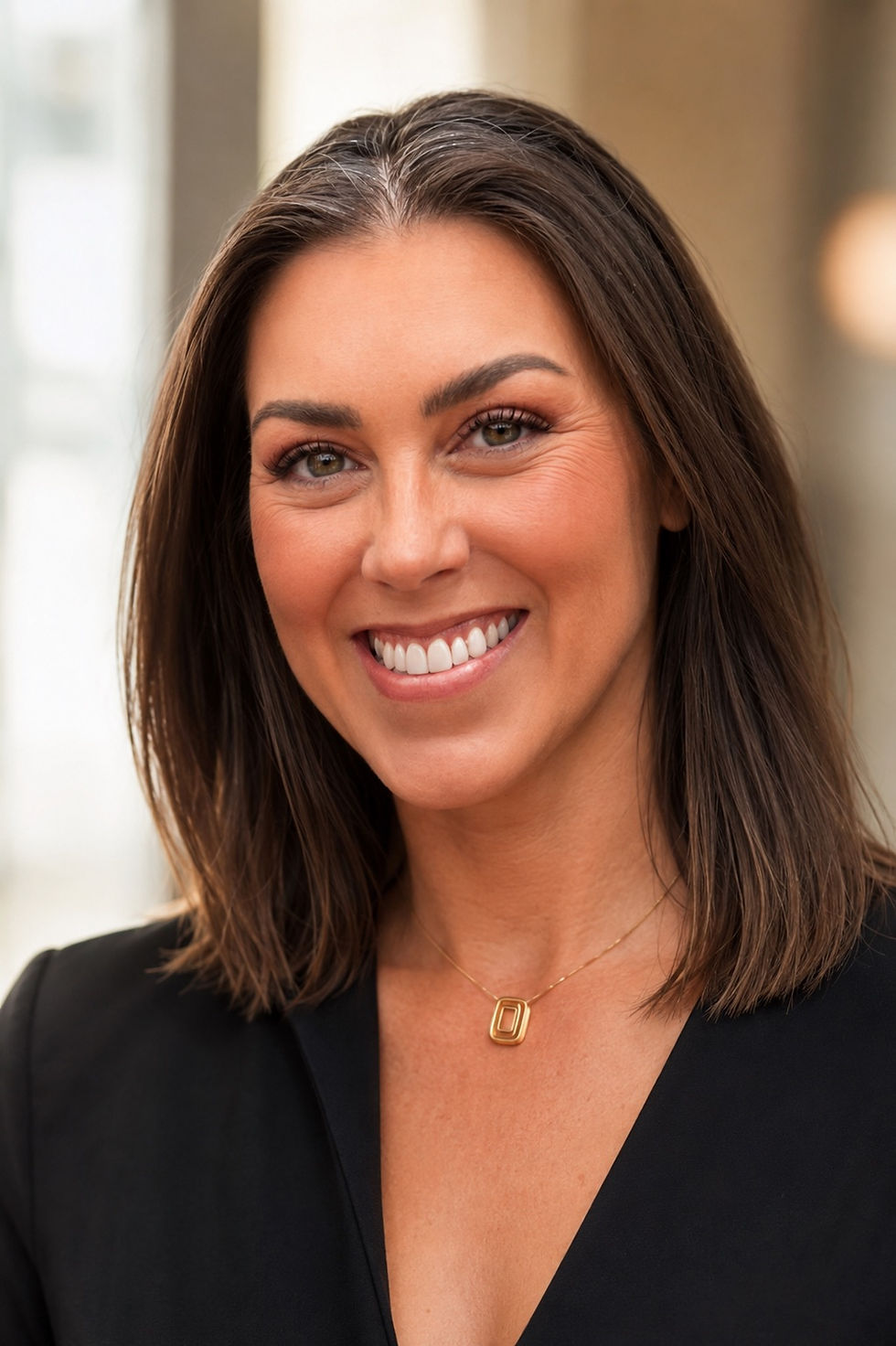
I laughed, shaking my head. Then I realized he was right. That woman (I swear she’s not as scary as she sounds) was not on my website.
He was not the first person to say something like this in recent months. "You light up a room." "People want to be around you." "You draw people in." I nodded politely at each comment, filing it away. Still, I wondered, “Why were they saying these things to me? Why are they all so similar? What does it mean?” Meanwhile, I went back to my very professional, very buttoned-up, very carefully worded LinkedIn posts and website content that sounded nothing like me.
I had done exactly what I tell other founders not to do. I had separated myself from my brand. I decided that my business needed to look a certain way, sound a certain way, project a certain kind of authority. And in doing that, I edited out the exact thing that makes people trust me.
You may remember the young woman I opened this series with. The founder of a natural hair moisturizer who was going viral on Threads as herself and getting zero traction on her business page. I spotted her problem in minutes. It took a mentor and several weeks of feedback before I could see the same thing in myself.
I got a good laugh while writing this because it seems ironic, but it’s actually exactly how this all works. We are always the last to see it in ourselves. Which is the whole reason an outside eye matters.
This is the thing most founders get wrong on social media. They treat their business page like a separate entity. Something formal and curated and safe. They post product photos and industry news and carefully worded captions that could have been written by anyone. Then they wonder why nothing is connecting.
Meanwhile, the post they dashed off at 10pm about a frustrating networking situation, or the video they almost did not share because they thought it was too casual, that is the one that stops the scroll. Because it’s real. People see themselves in those posts. And people follow people, not pages.
Social media did not create this problem. It just made it impossible to hide. On a stage or in a boardroom, you can get away with a polished performance for a while. On social media, the volume of content required means the mask slips eventually. The founders who build real audiences are not the ones with the best graphics. They are the ones who showed up as themselves consistently enough that people started to recognize them.
Your personal brand and your business brand are not two separate things. For founders especially, they are almost always the same thing. The belief that built the business, the reason you started it, the specific way you see the problem you are solving, that is your brand. Not your logo. Not your color palette. You.
I built this entire series around that idea. The stage, the investor room, the media interview, social media. Every platform we covered has the same root cause when things go wrong. The story is unclear, or the person delivering it has gone missing.
So I rebuilt my website. It started with the mentor’s comment… then expanded when a friend suggested I rethink the structure, making it a hero’s journey about the leaders I want to support instead of myself… and ended with my networking conversation. The change? I am putting myself back into it. The version of me that apparently could convince someone to hand over their wallet while holding a knife. That version has been missing. She is coming back.
If you have been doing the same thing, performing professionalism instead of showing up as yourself, this is your outside eye. The most magnetic thing about you is probably the thing you have been editing out.
Stop editing. That is where your audience is waiting.
About the Author
Kim Fischer is a strategic communications consultant and Fractional CCO who has been communicating with audiences for 23 years, sixteen of them in journalism and the rest working directly with founders, executives, and leadership teams. She helps leaders understand how to talk about what they do, whether that means writing messaging, sharpening a pitch deck, or finding the story that was buried in the one they already had. She is based in Dallas-Fort Worth and works with clients across the country.


Comments